


Onigiri, freshly baked croissants, hot chicken, brewed coffee from ¥110. A local Osaka commuter’s honest guide to conbini morning meals that actually rival a sit-down breakfast.
2026 · Written by someone born and raised in Osaka who does this every morning
Looking for the best Japanese convenience store breakfast? You’re in the right place.
Japan’s convenience stores are open 24 hours and stocked with real breakfast options — onigiri, freshly baked bread, hot fried chicken, miso soup, and brewed coffee starting at ¥110. The hotel breakfast buffet is nice, but for ¥250–500 at any conbini, you can eat just as well and be out in three minutes.
I’ve been stopping at the 7-Eleven near my station on the way to work every morning for years. Same routine: one onigiri, one coffee, done. This guide covers the best picks at each chain — and the combinations that actually hold up as a proper breakfast.
My morning routine
From a local Osaka commuter
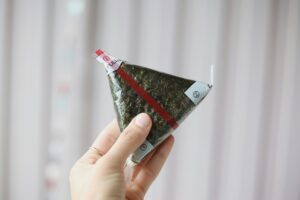
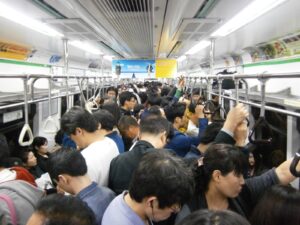
Most mornings I stop at the 7-Eleven by the station around 7 AM. The hot food counter has just been restocked and you can smell the fried chicken before you get through the door. I pick up one onigiri — whatever filling I feel like that day — and a hot coffee from the machine by the register. The whole thing costs ¥270–300. I drink the coffee on the train and eat the onigiri at my desk.
I’ve been doing this version of the same routine for over ten years. There’s nothing special about it. But that’s kind of the point — conbini breakfast isn’t a thing Japanese people think about consciously. It’s just how mornings work. When I describe it to friends from outside Japan, they ask “is that really enough?” It’s more than enough. That’s the thing.
7-Eleven
Best rice quality and coffee
The chain I go to most — onigiri, sandwiches, ¥110 coffee
7-Eleven’s advantage for breakfast is its rice. The chain invests heavily in rice sourcing, cooking temperature, and texture — and it shows. The onigiri hold together better, the grains are more distinct, and the fillings are more generous than most competitors. For a breakfast built around Japanese food, 7-Eleven is the best starting point.
Kin no Onigiri (Gold Series) — 金のおにぎり
¥190–220
Rice ★ Top pick
7-Eleven’s premium onigiri line. The rice is noticeably better — fluffier and more flavorful than the standard range — and the fillings are more substantial. The salmon version uses properly flaked fish, not the dry compressed version you sometimes get elsewhere. One of these feels like an actual meal, not a snack.
Egg Salad Sandwich — たまごサラダサンド
¥260–280
Bread
A generously filled egg salad sandwich on soft white bread. The egg-to-bread ratio is high, the seasoning is mild, and the bread stays soft without being gummy. The standard against which all other Japanese conbini egg sandwiches are measured.
7-Café Hot Coffee (S) — セブンカフェ ホットコーヒー
¥110
Drink ★ Must buy
¥110 for a freshly brewed cup from the machine by the register. The aroma is genuinely good — this doesn’t taste like vending machine coffee. Paired with an onigiri, you’re at ¥270–300 total for a complete breakfast. This is the combination I buy every single morning.
Mochi-mugi Onigiri (barley & edamame) — もち麦おむすび
¥180–200
Rice Healthy
Made with mochi-mugi (pearled barley), which has a pleasant chewy texture and a lower glycemic index than white rice. The edamame adds protein. Good for mornings when you want something filling but not heavy — you stay full longer without the mid-morning energy crash.
Honest verdict on 7-Eleven
The best rice of the three chains — noticeable enough that it actually changes the experience of eating an onigiri. The ¥110 coffee at this quality level is hard to beat anywhere. For a quick, reliable, affordable breakfast, 7-Eleven is my first choice. If you only go to one chain in Japan, make it this one in the morning.
FamilyMart
Best for baked bread and hot food
Freshly baked croissants, Famichiki, the best hot food counter
FamilyMart’s breakfast edge is its in-store bakery and hot food counter. The baked items come out of the oven in the early morning, and hitting the store when the croissants are fresh is a meaningfully different experience from buying bread that’s been sitting in a bag since midnight.
FamilyMart Croissant — クロワッサン
¥140–160
Bread ★ Top pick
Baked in-store, usually available fresh between 6 and 9 AM. When it’s just out of the oven, the layers are distinct, the butter flavor is pronounced, and the inside is soft. If you can smell it from the door, buy it immediately. This is the best single breakfast item available at any Japanese convenience store when fresh.
Famichiki — ファミチキ
¥200–220
Hot food ★ Must try
Japan’s most iconic convenience store fried chicken — and yes, it works for breakfast. Fresh off the counter at 7 AM, it’s crispy, juicy, and genuinely satisfying in a way that holds you through to lunch. Paired with coffee, this is a better morning meal than it has any right to be.
Cheese Steamed Bun — チーズ蒸しパン
¥130–150
Bread
A soft, lightly cheesy steamed bun — not too sweet, not too heavy. The kind of thing that disappears before you’ve fully registered eating it. Good for mornings when you want something warm but light. Popular with kids, which tells you something about its approachability.
FamilyMart Café Hot Latte (S) — ホットカフェラテ
¥210–230
Drink
Espresso-based milk latte — more substantial than black coffee, good for people who find 7-Café a bit sharp first thing in the morning. The milk rounds it out without making it feel like a dessert drink.
Honest verdict on FamilyMart
On days when I hit FamilyMart right as the croissants come out, it’s the best breakfast of the three chains. The problem is timing — if you miss the fresh window, you’re buying room-temperature bread in a bag. The hot food counter is consistently strong though, and Famichiki at 7 AM is one of those things that just works.
Lawson
Best for healthy options and premium picks
Bran bread, L-Chiki, limited editions — the health-conscious chain
Lawson leans into health-conscious and premium positioning more than the other two chains. The Bran series (high-fiber, low-carb bread) is unique to Lawson, and the limited-edition and collaboration products tend to appear here first. If you’re trying to eat well while traveling, Lawson is the place to look.
L-Chiki — Lチキ
¥220–240
Hot food ★ Top pick
Lawson’s answer to Famichiki — a fried chicken piece with a thinner batter that lets the chicken flavor come through more clearly. Available in salt, spicy, and Japanese soy sauce flavors. The debate over L-Chiki vs Famichiki is genuine and ongoing. Try both and form your own opinion.
Bran Bread Series — ブランパン
¥150–200
Bread Low carb
Made with wheat bran, high in dietary fiber, and lower in net carbohydrates than standard white bread. Unique to Lawson among the major chains. The texture is denser than a regular bread roll but it doesn’t feel like “health food” — it’s genuinely good. Keeps you full longer than a croissant.
Onigiri-ya Series — おにぎり屋
¥170–220
Rice
Lawson’s premium onigiri line. The rice quality sits close to 7-Eleven’s Gold Series — a step above the standard Lawson range. Worth choosing over regular Lawson onigiri when you’re there in the morning.
Machi Café Hot Coffee (S) — マチカフェ ホットコーヒー
¥110–130
Drink
Dark roast, noticeably stronger and more bitter than 7-Café. If you like your morning coffee with some weight to it, this is your option. The intensity wakes you up in a way that lighter roasts don’t.
Honest verdict on Lawson
The chain for people who are paying attention to what they eat. The Bran series is genuinely useful if you’re keeping carbs in check, and Lawson’s limited editions — Kansai-flavored items, seasonal releases — are worth watching. The premium onigiri range is solid. If you’re in Japan for a longer trip and eating conbini breakfast regularly, rotating in Lawson keeps things interesting.
Side-by-side comparison
| Chain | Strength | Best breakfast pick | Best for |
|---|---|---|---|
| 7-Eleven | Rice quality, ¥110 coffee | Gold onigiri + hot coffee | Quick, reliable, best value |
| FamilyMart | Fresh-baked bread, hot food | Croissant (fresh) + latte | Bread lovers, hot food fans |
| Lawson | Healthy options, premium range | Bran bread + dark coffee | Health-conscious, variety seekers |
The best breakfast combinations by budget
① Best value (under ¥300)
7-Eleven: Gold onigiri (salmon or tuna mayo) + 7-Café hot coffee S → ¥270–300. This is my daily combination. Covers rice, protein, and caffeine. Fast, cheap, consistently good.
② Most satisfying (under ¥500)
FamilyMart: fresh croissant + Famichiki + hot latte → ¥500–550. The “treat yourself” morning. Protein, carbs, caffeine — holds you until well past lunch. Worth it when you’re starting a long day of sightseeing.
③ Healthy option (under ¥450)
Lawson: bran bread + salad chicken (konbini staple) + dark coffee → ¥400–450. High fiber, high protein, low net carbs. The version for people who are paying attention to what they eat.
④ Most Japanese breakfast (any chain, ¥350–400)
Onigiri (salmon or kombu) + hot miso soup (cup) + green tea → ¥350–400. The most distinctly Japanese conbini breakfast. Warm, light, and completely different from what you’d eat at home. Highly recommended for first-time visitors to Japan.
FAQ
- What time does convenience store breakfast start in Japan?
-
All three chains are open 24 hours, so you can buy breakfast at any time. Hot food counters (fried chicken, steamed items) typically get restocked from around 5–6 AM. Fresh-baked bread at FamilyMart is usually available from 6–8 AM. The best selection and freshest hot food is generally between 7 and 9 AM.
- Can I eat inside the convenience store?
-
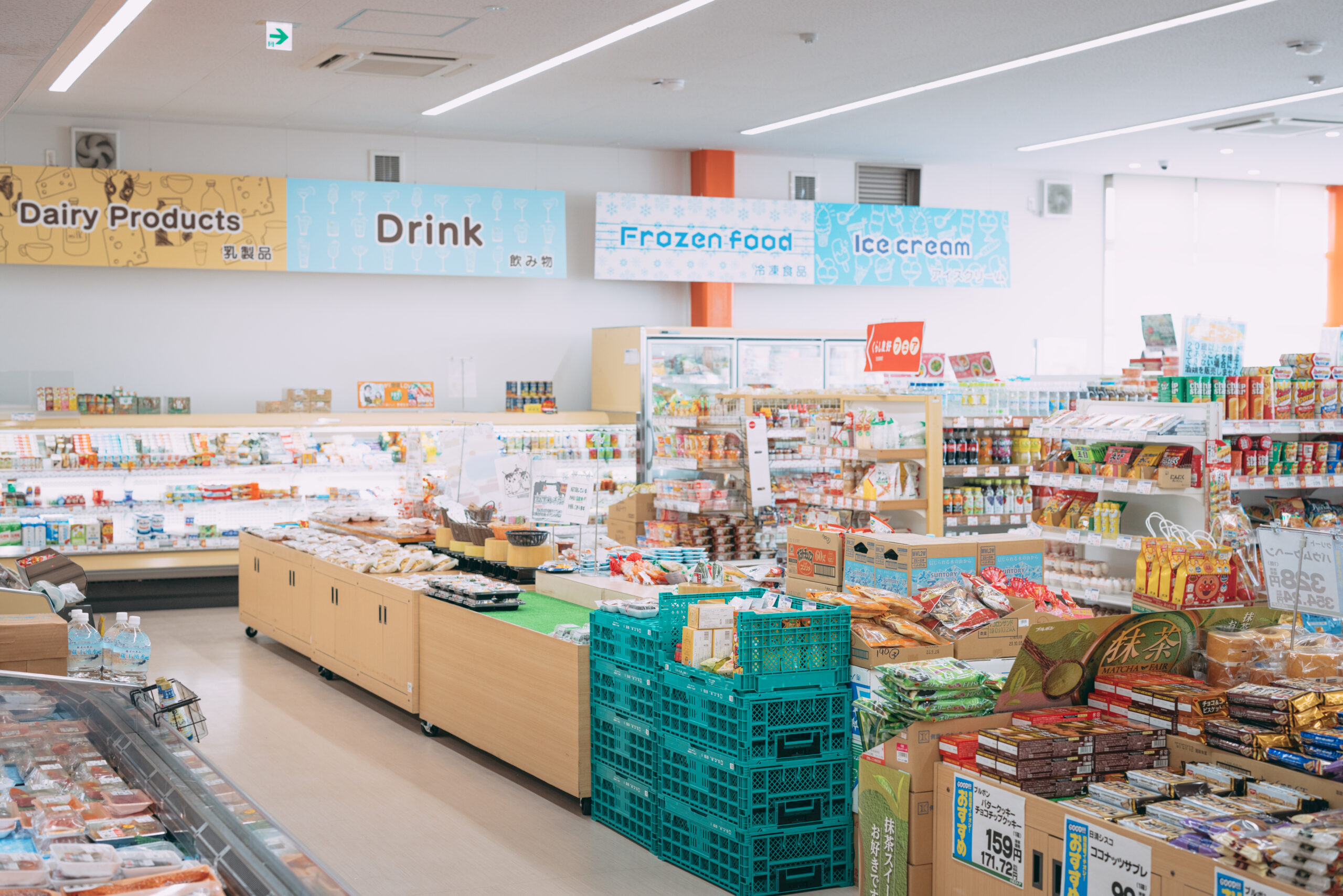
Many Japanese convenience stores have eat-in areas — tables and chairs inside the store. Urban locations, especially in tourist areas, are more likely to have them. Look for seating near the back or along the wall. It’s perfectly normal to buy breakfast and eat it there before continuing your day.
- How much does a convenience store breakfast cost in Japan?
-
Onigiri: ¥150–220. Sandwiches: ¥250–320. Baked bread: ¥130–200. Coffee: ¥110–230. A complete breakfast (food + drink) runs ¥270–550 depending on what you choose. Compare that to a hotel breakfast (typically ¥1,500–2,500) and the value is obvious.
- Can I ask staff to heat my food?
-
Yes. Say “atatamete kudasai” (温めてください) and they’ll microwave it for you. Most major chains in tourist areas will also understand “Can you heat this up?” in English. Onigiri, sandwiches, and ready-meal items can all be heated — some items will have a sticker indicating they’re suitable for reheating.
- Which convenience store chain is best for breakfast?
-
For a quick, reliable morning meal: 7-Eleven. The rice quality is the best, the coffee is excellent at ¥110, and the egg sandwich is the benchmark for the category. If you want fresh-baked bread, FamilyMart between 6 and 9 AM. If you’re watching what you eat, Lawson’s Bran series is unique to that chain.
- Is convenience store breakfast popular with Japanese people, or just tourists?
-
It’s very much a local habit, not a tourist thing. The majority of people you’ll see buying breakfast at a conbini before 8 AM are commuters on their way to work. Eating breakfast at a hotel or sit-down café every morning is the exception rather than the rule for most Japanese people in cities.
Convenience store breakfast is one of the most Japanese things you can do in Japan — not because it’s exotic, but because it’s completely ordinary. The people around you at 7 AM buying onigiri and coffee are doing what they do every morning. Joining that rhythm, even briefly, is one of the easiest ways to feel like you’re actually in Japan rather than observing it. Start with an onigiri and a coffee. See where it takes you.
More Japan food guides



コメント