


Tuna mayo, salmon, kombu — a complete guide to conbini onigiri fillings by spice level, plus the best onigiri specialist shops in Umeda and Namba. Written by an Osaka local who buys these for family picnics.
2026 · Written by a tuna mayo devotee, born and raised in Osaka
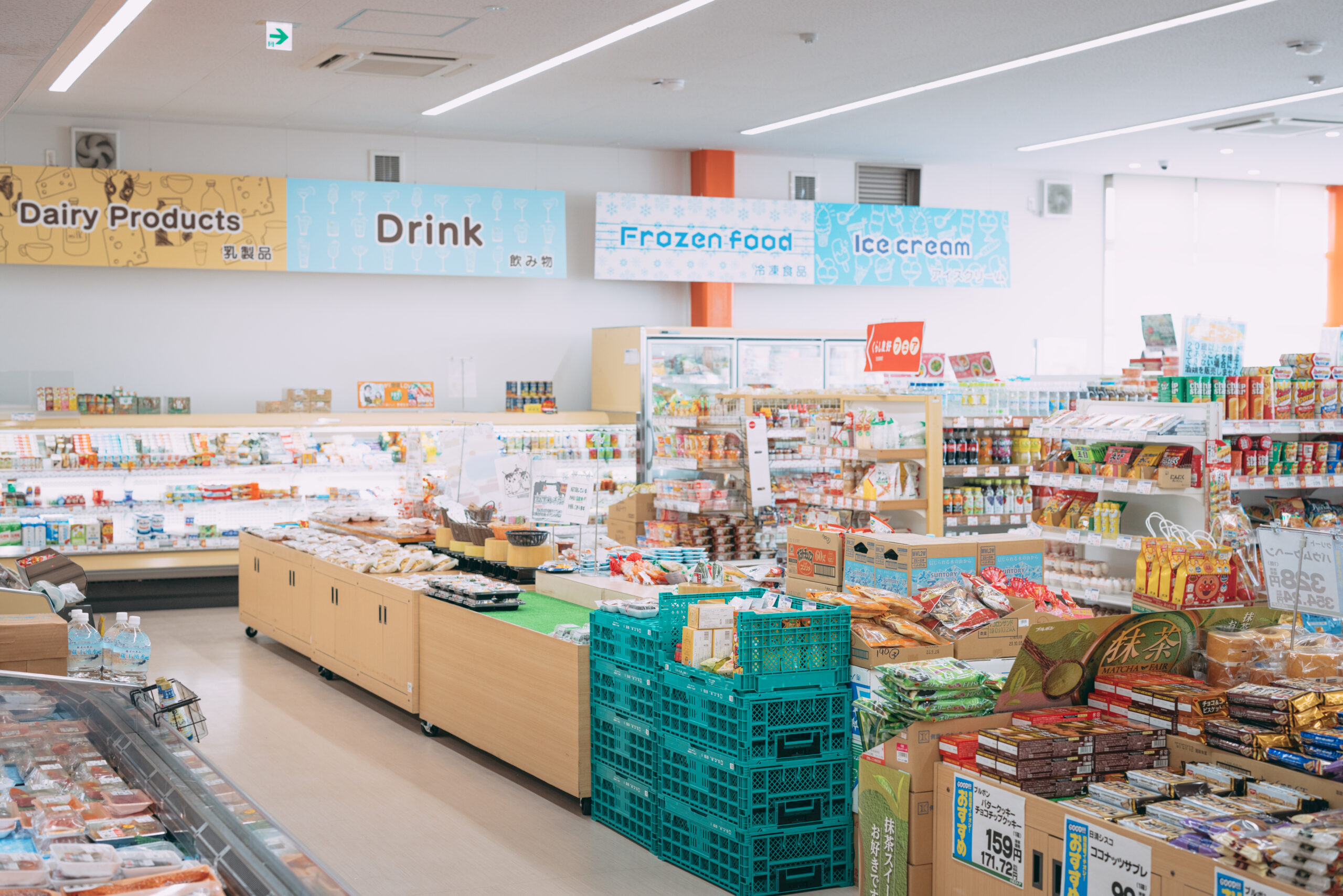
Walk into any Japanese convenience store and you’ll find a wall of onigiri — ten, sometimes twenty different fillings. For first-time visitors, the choice is genuinely overwhelming. Which ones are spicy? Which are safe for kids? What do all these kanji characters on the packaging actually mean?
I’ve been eating convenience store onigiri my whole life. When my family goes to the park for a picnic, I always stop at the conbini on the way and load up: salmon or kombu for the kids, tuna mayo for me — two, always two. This guide is built around that experience. Fillings sorted by spice level, kanji to look for on the packaging, and the best specialist onigiri shops in Umeda and Namba if you want something beyond the convenience store.
What is onigiri?
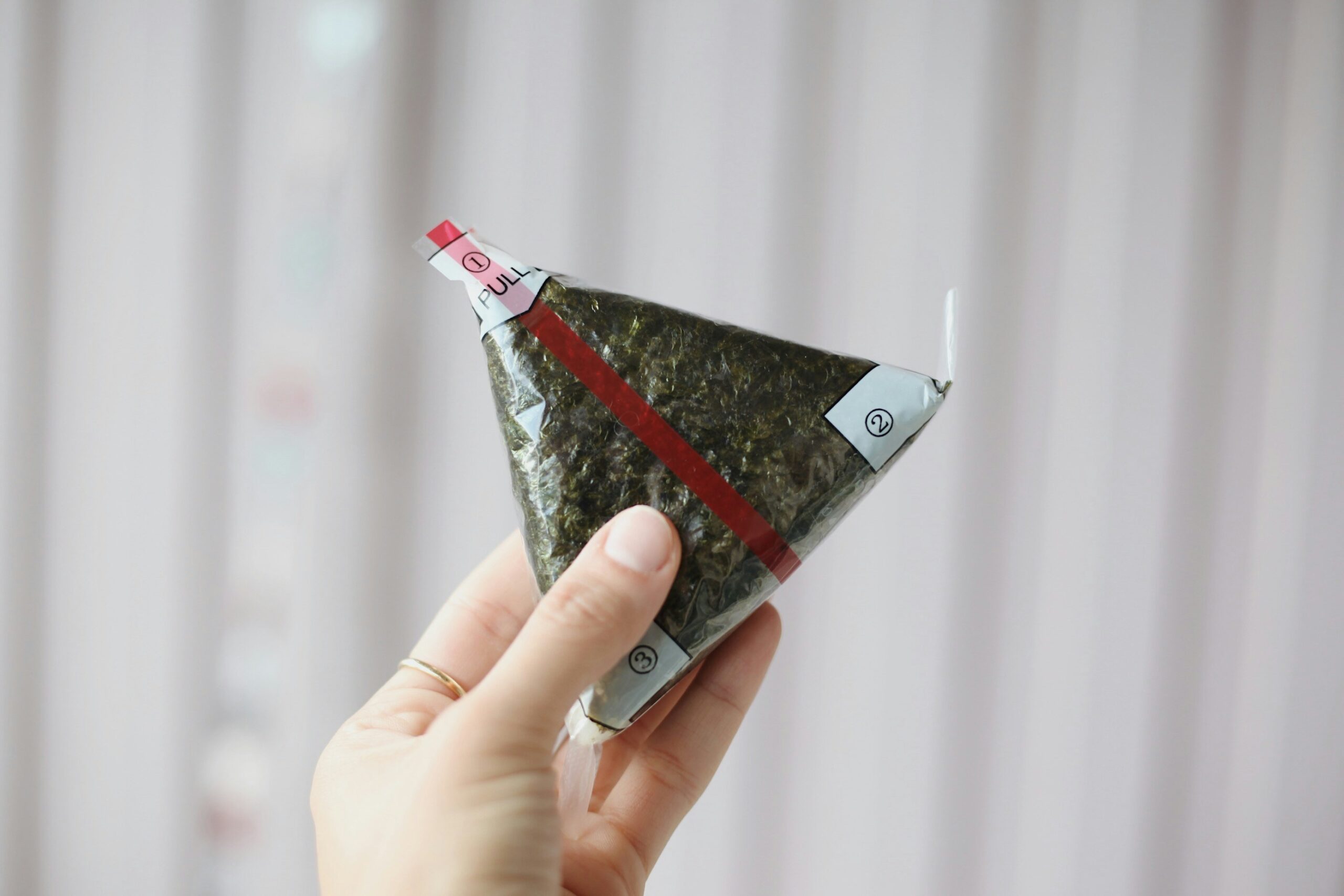
Onigiri (おにぎり) is a Japanese rice ball — cooked white rice formed into a triangle or round shape, filled with a savory ingredient, and usually wrapped in a sheet of dried seaweed (nori). It’s one of the most common everyday foods in Japan, available at every convenience store for around ¥120–180.
The rice itself is plain and lightly seasoned. All the flavor comes from the filling inside, which makes choosing the right filling the only decision you need to make. The packaging design keeps the seaweed crispy and separate from the rice until you’re ready to eat — more on how to open it below.
Kanji to recognize on onigiri packaging
- リスト鮭 (さけ / sake) = salmon
- ツナ = tuna
- マヨ = mayo
- 昆布 (こんぶ / konbu) = kelp
- 梅 (うめ / ume) = pickled plum
- 明太子 (めんたいこ) = spicy cod roe
- おかか = bonito flakes
- のり = seaweed
- チーズ = cheese
Not spicy: safe and kid-friendly fillings
These are the fillings with zero heat. Safe for children, first-timers, and anyone who wants to ease into Japanese convenience store food.
Look for: ツナマヨ on the label
¥130–160
Not spicy ★ Japan’s #1 filling
Flaked tuna mixed with Japanese mayonnaise — creamy, mild, and satisfying. This is consistently Japan’s most popular onigiri filling, and for good reason. The mayo is slightly sweeter than Western mayo, which makes the whole thing taste gentler and more rounded. My personal #1. I buy two every time.
Look for: 鮭 or 紅しゃけ on the label
¥130–160
Not spicy Best for kids
Flaked grilled salmon with a light salt seasoning. No heat, strong umami, and a flavor that works for virtually everyone. This is the filling I buy for my kids every time we go to the park. If someone has never eaten onigiri before, salmon is the single safest starting point.
Look for: 昆布 on the label
¥120–150
Not spicy Good for kids
Kelp simmered in soy sauce and mirin until sweet and savory. No spice at all — just deep umami and a slightly sticky texture. This is a very traditional Japanese filling and especially popular in the Kansai region (Osaka, Kyoto). If you want to taste something distinctly Japanese, this is it.
Look for: おかか on the label
¥120–150
Not spicy Good for kids
Bonito flakes seasoned with soy sauce. Delicate, smoky, and mild. The flavor is subtle enough that young children tend to accept it easily. One of the oldest onigiri fillings in Japan — traditional in the best way.
Look for: チーズ + ツナマヨ
¥140–180
Not spicy Kids love this
Tuna mayo with added cheese — richer and creamier than the standard version. Consistently popular with children. If your kid has eaten tuna mayo and liked it, this is the natural next step.
Look for: 鶏五目 or 五目
¥140–170
Not spicy
Mixed rice with chicken, burdock root, carrot, and other vegetables cooked in a sweet soy broth. No heat. This is a “mixed” style onigiri where the filling is distributed throughout the rice rather than concentrated in the center. Hearty and filling.
Spicy and sour: adult fillings to know about
These are worth knowing before you accidentally hand one to a child or pick one up when you wanted something mild.
Look for: 梅 or うめ
¥120–150
Very sour — not spicy
A whole pickled plum in the center of the rice. Not spicy at all, but intensely sour and salty — this is an acquired taste that divides people sharply. Very popular with Japanese adults, especially in summer. Kids often find it too sour. Worth trying once.
Look for: 明太子
¥140–180
Spicy — not for kids
Spicy marinated cod roe. The heat builds as you eat it — mild at first, then noticeable. One of the most popular adult fillings in Japan. Mentaiko mayo (明太子マヨ) is a slightly milder version. Avoid if you’re sensitive to spice.
Look for: 高菜
¥130–160
Mildly spicy — use caution with kids
Pickled mustard greens — mildly spicy with a tangy fermented flavor. Popular in Kyushu-style cooking. The spice level varies by brand. Some versions are fairly gentle; others have a noticeable kick.
My personal favorite: why tuna mayo wins
A local’s honest take
Tuna mayo is my answer every time. I’ve been choosing it since I was a kid and I haven’t stopped. The three major chains all do it slightly differently — Seven-Eleven’s version is richer and more mayo-forward; FamilyMart’s is lighter; Lawson’s hits somewhere in the middle. Comparing them side by side is genuinely fun if you have the appetite for it.
When we go to the park for a family picnic, I always buy two tuna mayo onigiri for myself. Eat one, rest, eat the second. That’s the rhythm. The kids get salmon and kombu. It works every time.
Which convenience store has the best onigiri?
All three major chains are good. The differences are real but subtle — here’s how they compare.
| Store | Strength | Best pick |
|---|---|---|
| Seven-Eleven | Consistently rated #1 for rice quality — soft, moist, well-cooked | Tuna mayo, premium salmon varieties |
| FamilyMart | Best variety, strong regional and seasonal specials | Chicken gomoku, cheese tuna mayo |
| Lawson | Premium series with high-quality rice, good limited editions | Akuma no Onigiri (seasoned seaweed), gold series |
How to open a Japanese convenience store onigiri
This trips up almost every first-timer. The packaging is a three-step system designed to keep the seaweed crispy and separate from the rice right up until the moment you eat it.
The three-step method
- ① Pull the tab marked ① at the top center. This splits the outer plastic wrap down the middle.
- ② Hold the left side and pull tab ② to the left — this removes the left half of the outer wrap.
- ③ Pull tab ③ to the right to remove the right half.
- The seaweed is now wrapped around the rice, crispy and ready. My kids fight over who gets to do the tabs. Every single time.
Specialist onigiri shops in Umeda and Namba
If you want to go beyond the convenience store, Osaka has a growing scene of onigiri specialist shops — made-to-order, higher-quality rice, and fillings you won’t find anywhere else.
Umeda area
Kikutaya Beikoku-ten — 米屋のおにぎり屋 菊太屋米穀店 大丸梅田店
A rice merchant’s onigiri shop inside Daimaru Umeda B1F. They source their rice directly from producers across Japan and grip each onigiri to order. The salmon is grilled fresh in the shop every morning. At around ¥280 per piece, it’s more expensive than a conbini — but the quality difference is obvious.
Onigiri Gorichan — おにぎりごりちゃん 中崎町本店
A 10-minute walk from Umeda in the Nakazakicho neighborhood. Lines form before opening. Known for over-the-top creative fillings: grilled miso cheese, stamina yakiniku, unagi. Not the place for a standard salmon onigiri — the place for something you won’t find anywhere else.
Bonta Bonta — ぼんたぼんた LINKS UMEDA店
Inside LINKS UMEDA, directly connected to Umeda station. Creative fillings like fresh tarako cheese and slow-braised meat soboro. Eat-in and takeout both available — convenient for a sit-down lunch or a grab-and-go option before the train.
Namba area
boo’s kitchen — なんばマルイ店
Uses Milky Princess rice from Akita Prefecture — a variety known for staying soft and flavorful even when cold, which makes it ideal for picnics and takeout. About 27 varieties on offer, from classic salt and salmon to inventive options like iburi-gakko mayo and chashu mustard mayo. ¥180–260 per piece.
FAQ
- Which onigiri fillings are not spicy?
-
Tuna mayo (ツナマヨ), salmon (鮭), kombu/kelp (昆布), okaka/bonito flakes (おかか), cheese tuna mayo (チーズツナマヨ), and chicken gomoku (鶏五目) are all completely non-spicy. Umeboshi (梅) is not spicy but very sour. Mentaiko (明太子) and takana (高菜) both have spice — avoid those if heat is a concern.
- What is the best onigiri for kids?
-
Salmon (鮭) is the safest starting point — no heat, mild flavor, universally accepted. Tuna mayo (ツナマヨ) is also very kid-friendly and tends to be popular with children. Cheese tuna mayo is a reliable upgrade if they like the standard version. Avoid mentaiko, takana, and wasabi varieties.
- How much does onigiri cost at Japanese convenience stores?
-
Standard onigiri costs ¥120–180 at most convenience stores. Premium varieties (with higher-grade salmon, crab, etc.) can reach ¥250–300. Specialist onigiri shops charge ¥200–350+ per piece but offer noticeably better rice quality and more interesting fillings.
- How do you open a Japanese onigiri?
-
Pull tab ① at the top center to split the outer wrap. Then pull tab ② to the left and tab ③ to the right to remove the two halves. This separates the crispy seaweed from the rice and wraps them together just before eating. Numbers are printed clearly on the packaging.
- Can I eat onigiri at a picnic in Osaka?
-
Absolutely. Osaka Castle Park, Expo Commemoration Park, and Tsurumi Ryokuchi are all popular spots for picnics. Convenience stores are everywhere near these parks. The separate-seaweed packaging keeps onigiri fresh for a few hours — perfect for a park lunch. Pick up a mix of fillings and let everyone choose their own.
- Is onigiri the same as sushi?
-
No. Onigiri uses plain cooked white rice — not vinegared sushi rice. The fillings are different too: onigiri leans toward everyday Japanese ingredients like salmon, pickled plum, and bonito, rather than raw fish. Onigiri is more of an everyday snack or quick meal; sushi is a more formal eating experience.
Onigiri is one of those foods that looks simple and turns out to be deeply considered. The packaging, the rice, the filling ratio, the balance of salt — every convenience store has spent years getting it right. For a first visit to Japan, buying a few different fillings and working out your favorite is one of the easiest and most satisfying things you can do. Start with tuna mayo and salmon. Go from there.
More Osaka food guides




コメント